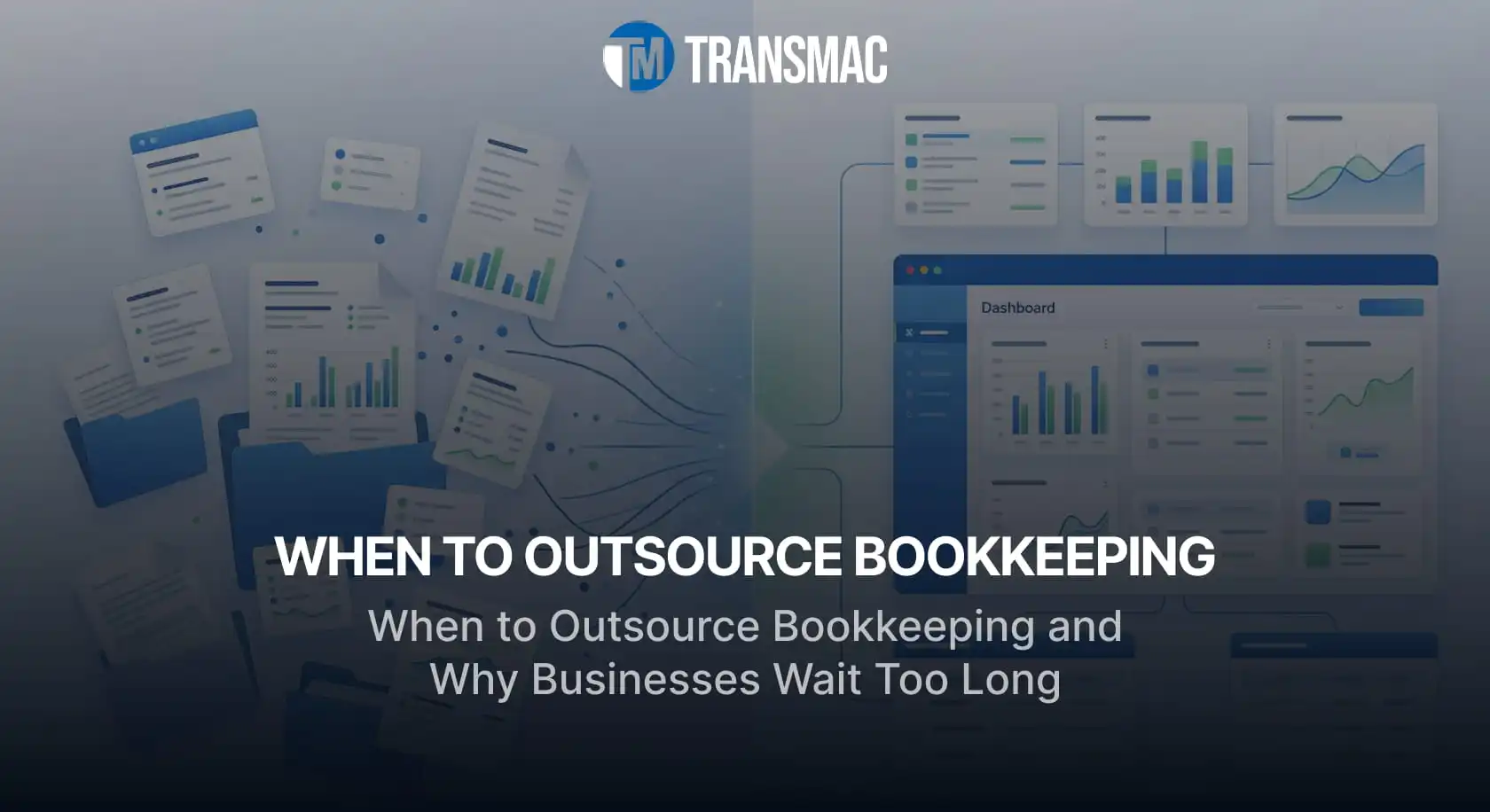

Why Bookkeeping Errors Keep Happening in Growing Businesses
Read More

Stop guessing your finances. Your books are handled consistently, so your numbers reflect what’s actually happening in your business.


Supporting businesses across the UK, Belgium, and international markets


Bookkeeping rarely fails all at once. It starts with small delays, a few entries pushed for later, invoices not recorded right away, and over time, those gaps begin to affect how reliable the numbers really are.
Nothing looks obviously wrong, but there’s always a bit of doubt. When reports need a second look before being used, it slows down decisions.
By the time transactions are recorded and invoices are entered, the data already reflects the past instead of what’s happening now.
Instead of following a consistent flow, it’s handled in between other tasks, which creates uneven results over time.


Instead of trying to catch up with delayed entries, bookkeeping becomes part of the daily flow. Transactions are recorded as they happen, invoices are handled on time, and financial data stays aligned across systems.
This removes the need to go back and fix past work. Instead of correcting entries later, accuracy is maintained as data is recorded.
Over time, this creates a more stable process. Financial records become a reliable reflection of what’s actually happening, making reports easier to use and decisions easier to make.
For small businesses, bookkeeping needs to be simple, consistent, and easy to keep up with. The process is built around handling financial data without delays, so records stay accurate as the business operates.

Existing records are reviewed, missing entries are identified, and everything is brought up to date so you’re not working with incomplete data.

A clear way of handling transactions, invoices, and expenses is put in place, so bookkeeping doesn’t depend on timing or availability.

Financial activity is recorded as it happens, which keeps your books aligned with real business operations.

Entries are maintained consistently, so reports stay reliable without needing constant corrections.
Bookkeeping for small businesses is handled through a structured set of services that keep financial records accurate, up to date, and easy to manage as the business grows.
Regular bookkeeping keeps transactions, invoices, and expenses recorded on time, so your financial data reflects current business activity.
If your records have fallen behind, missing entries are completed and everything is brought up to date, so you can move forward with accurate data.
Bank transactions and financial records are matched and verified, ensuring that balances and reports are consistent and reliable.
Clear monthly reports provide an overview of your business performance, helping you understand income, expenses, and overall financial position.
Support with payroll-related data ensures employee payments and records are handled accurately alongside your bookkeeping.

Bookkeeping services are provided remotely, supporting small businesses across the UK, Belgium, and international markets. Experience with UK-based systems and financial workflows ensures that bookkeeping is handled in line with local practices, while still maintaining a consistent process across different regions.
For businesses operating internationally, financial data is managed in a way that keeps records aligned, regardless of location or system.
As operations grew, financial processes needed to stay consistent. This case study shows how Transmac keeps workflows structured and data aligned.
View Case Study


Articles based on day-to-day accounting processes, common issues businesses run into, and how they are handled in practice.
Get clarity on our services, processes, and benefits. We’ve collected the most frequent questions from our clients so you can quickly find the information you need.

Most small businesses need consistent tracking of income, expenses, and invoices. This includes recording transactions, reconciling accounts, and generating monthly financial reports that reflect real activity.
Bookkeeping should be handled regularly, not in batches. For small businesses, updating records weekly or continuously helps keep financial data accurate and avoids last-minute corrections.
If bookkeeping is delayed, records can be brought up to date through catch-up bookkeeping. Missing transactions, invoices, and expenses are recorded so your financial data reflects the current state of the business.
For many small businesses, outsourcing bookkeeping provides more consistency than handling it internally. It reduces delays, improves accuracy, and allows business owners to focus on operations instead of financial admin.
Basic bookkeeping can be managed internally, but as activity increases, it becomes harder to keep records consistent. Structured bookkeeping support helps maintain accurate data without relying on manual effort.
Accurate bookkeeping means your records match bank transactions, invoices are properly tracked, and reports don’t require constant adjustments. Regular reconciliation and consistent data entry are key indicators.