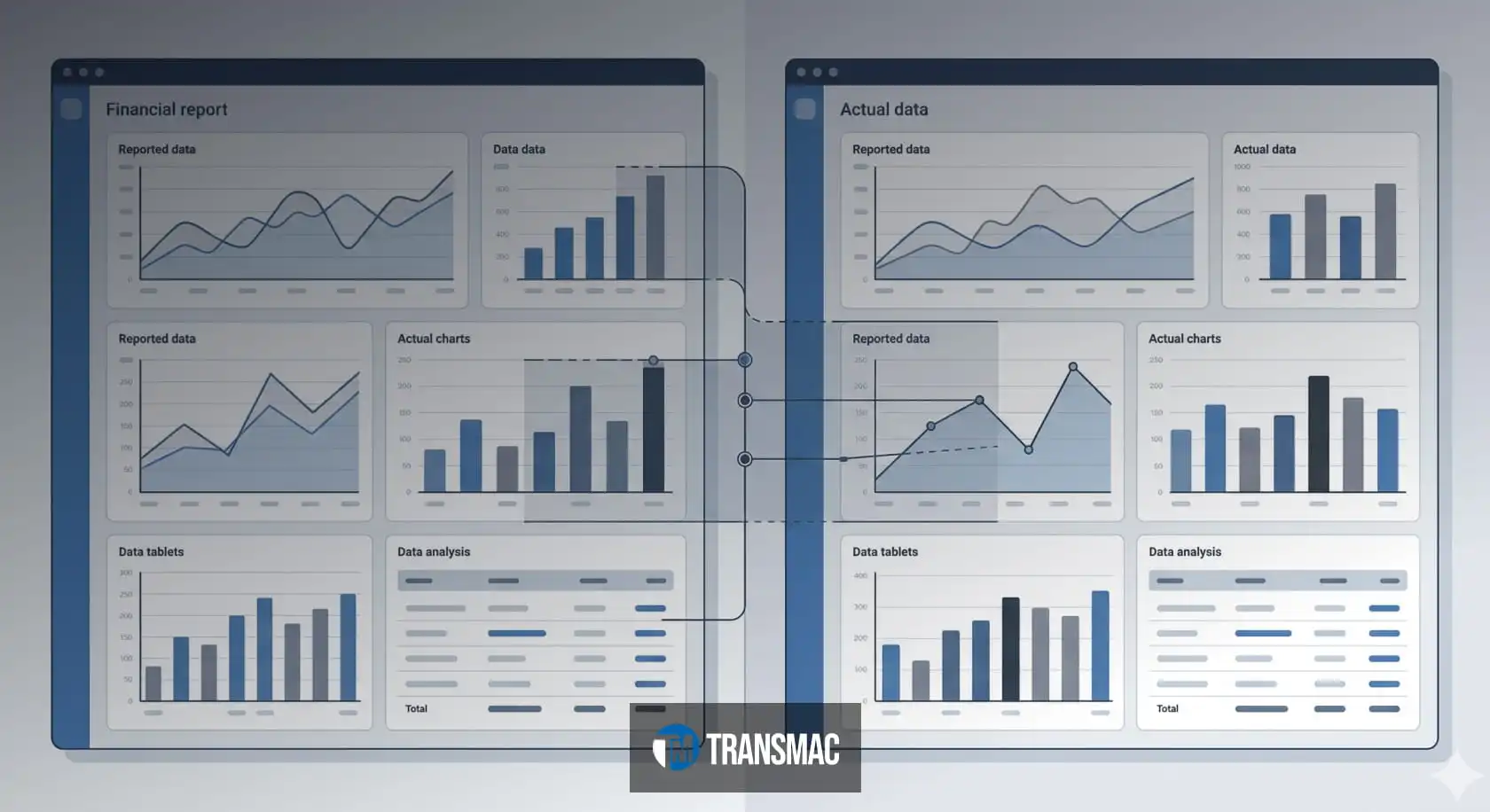

Invoice Processing Services: Why Businesses Lose Control as Volume Grows
Read More

Invoices are processed as they come in, not later. This keeps your financial data up to date, reduces delays, and helps you stay on top of payments without extra work.


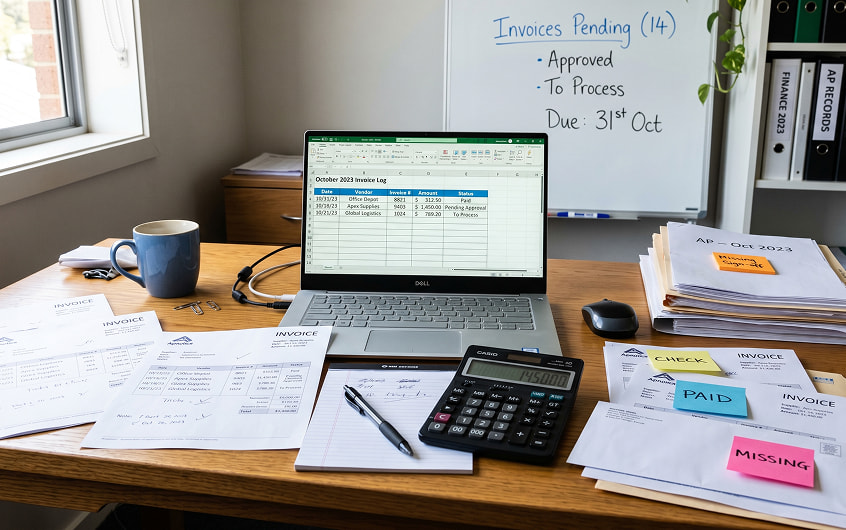


Supporting businesses across the UK, Belgium, and international markets
As invoice volume grows, keeping everything consistent becomes harder. Delays, missing details, and disconnected systems slowly affect how reliable your financial data is.
Invoices often come in throughout the day, but they’re not always recorded right away. This creates a delay between actual activity and what’s reflected in your financial data.

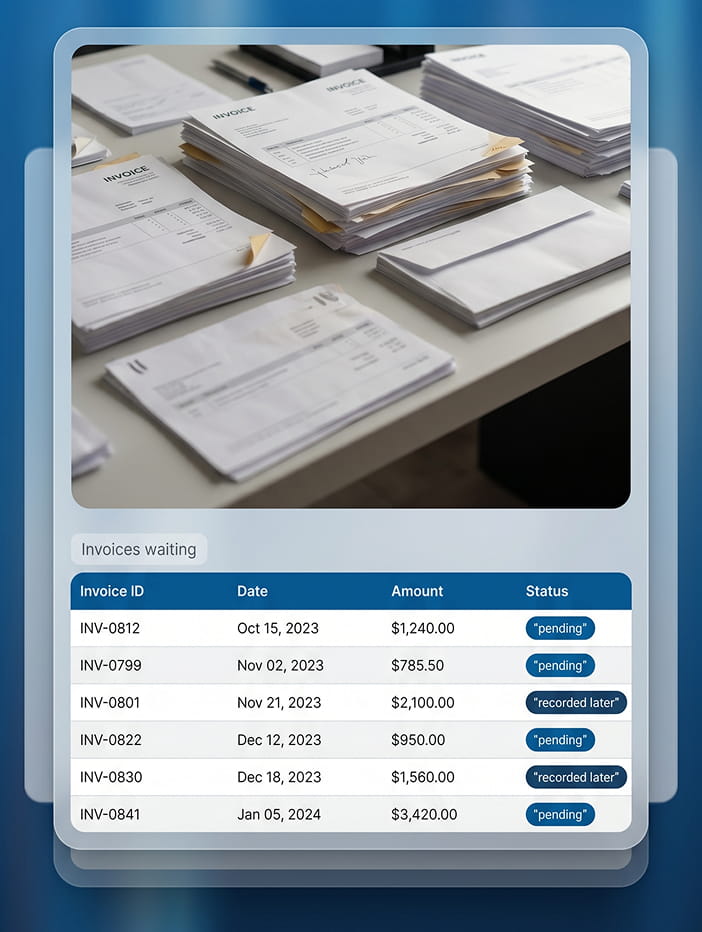
Invoice processing isn’t just about entering numbers. Missing fields, incorrect details, or inconsistent formats can affect how data is used later.
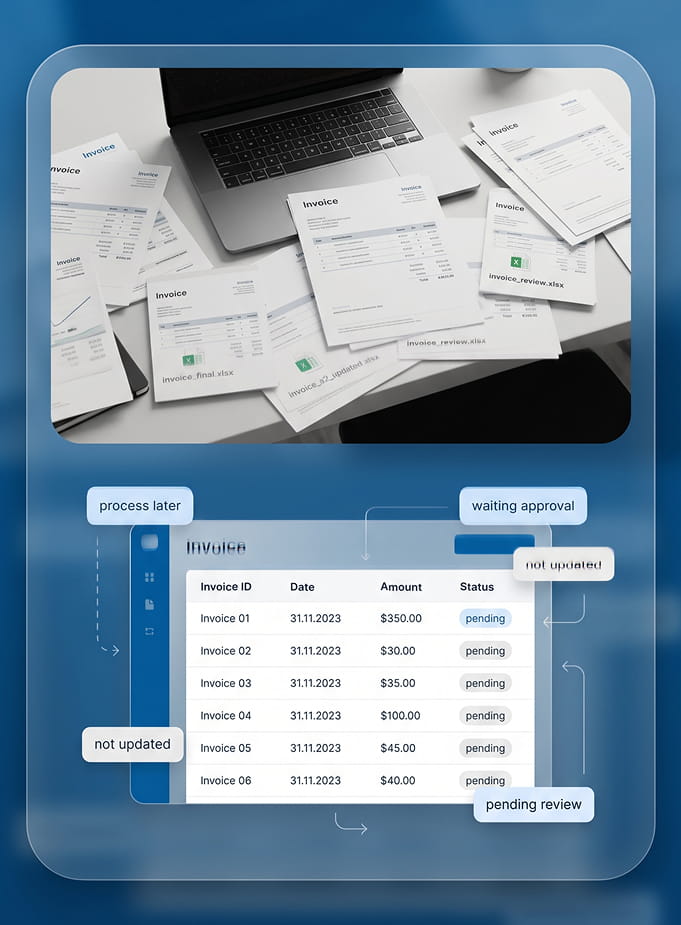
When invoice processing isn’t structured, it gets handled when there’s time. This creates delays and makes the process harder to manage as volume increases.
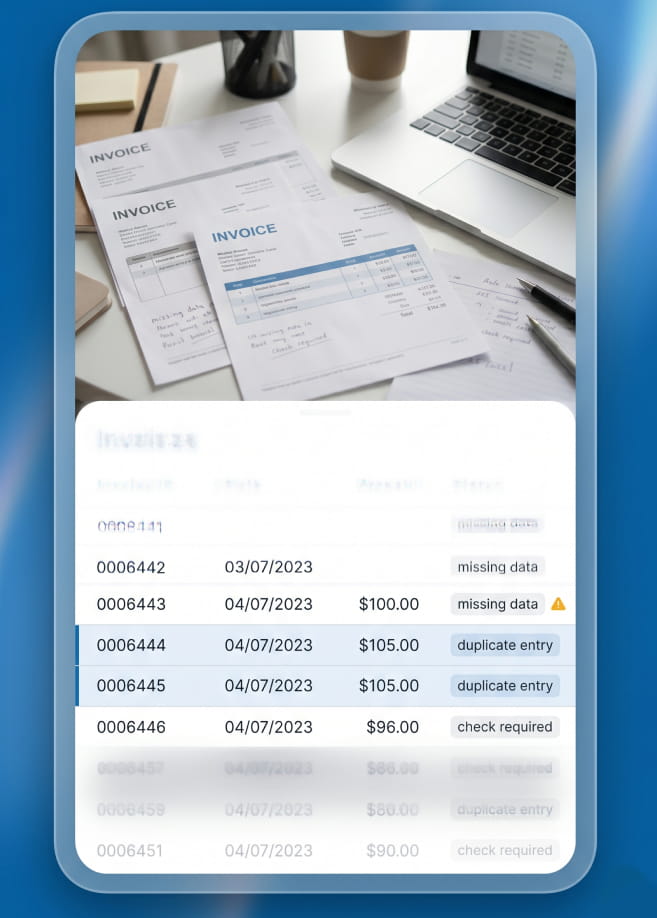
As invoice volume increases, handling invoices manually or occasionally starts to create delays. Invoices are recorded later, details are missed, and financial data slowly becomes harder to rely on.
Over time, this creates a more stable way to manage accounting, where financial data remains accurate and easier to work with.
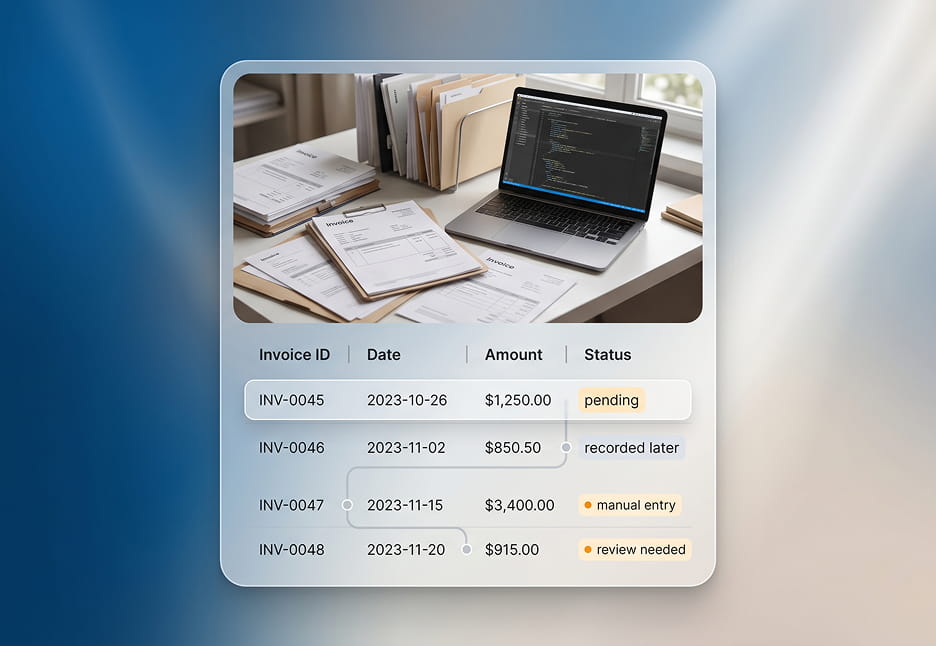
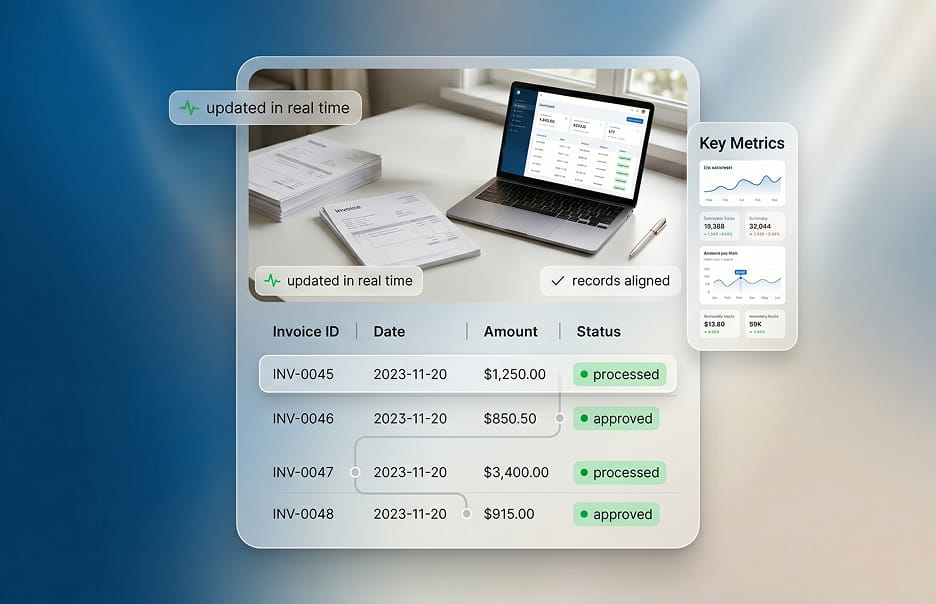
When invoices are processed as they come in, everything starts to align. Records stay current, reports reflect real activity, and there’s less need to go back and fix past entries.
Over time, invoice processing becomes part of daily operations, not something that needs to be caught up or corrected.



When invoice processing is handled consistently, financial data becomes easier to maintain and use. There’s less time spent fixing past entries, fewer errors in records, and reports reflect what’s actually happening in the business.

Invoices are recorded later
Data is spread across files
Reports need checking
Missing details appear later
Time goes into fixing
Work depends on availability
Invoices are processed as they come in
Data stays aligned across systems
Reports are ready to use
Issues are identified early
Time goes into using data
Work follows a consistent process
Invoices are recorded as they come in, which reduces delays and keeps financial data closer to real activity.
Consistent handling reduces missing details, duplicates, and mismatches across invoice records.
When invoice data is aligned and up to date, reports can be used without extra checking or corrections.
A consistent process keeps invoices recorded, checked, and updated without delays or missing data.

Invoices are gathered from your systems, email, or shared sources so everything is in one place.

Invoice data is recorded continuously, not later, keeping financial records up to date.

Invoice details are reviewed to avoid missing data, duplicates, or incorrect records.

Processed invoices are reflected in your financial data, so reports are always ready to use.
As operations grew, financial processes needed to stay consistent. This case study shows how Transmac keeps workflows structured and data aligned.
View Case Study


Articles based on day-to-day accounting processes, common issues businesses run into, and how they are handled in practice.
Answers to common questions about invoice processing services, including how invoices are handled, what’s included, and how financial data stays accurate and up to date.

Invoice processing services involve receiving, recording, and managing invoices so financial data stays accurate and up to date without delays.
It includes invoice data entry, validation, tracking, and updating records to ensure all invoice details are complete and consistent.
Accurate invoice processing helps businesses keep financial data reliable, avoid payment issues, and maintain clear records for reporting.
By handling invoices through a consistent process, missing data, duplicate entries, and incorrect records are identified early and corrected.
Yes. Instead of manually entering and checking invoices, businesses can rely on a structured process that keeps everything updated continuously.
Transmac processes invoices as they come in, ensuring data is recorded, reviewed, and kept aligned with financial records over time.
Yes. Invoice processing services support businesses across the UK, Belgium, and international markets with consistent data handling.